Most websites look decent but don’t rank. The reason isn’t the design. It’s that SEO optimization wasn’t baked in from the start. A truly SEO-optimized website is built with structure, speed, mobile design, and keyword strategy working together from day one.
What Is an SEO-Optimized Website?
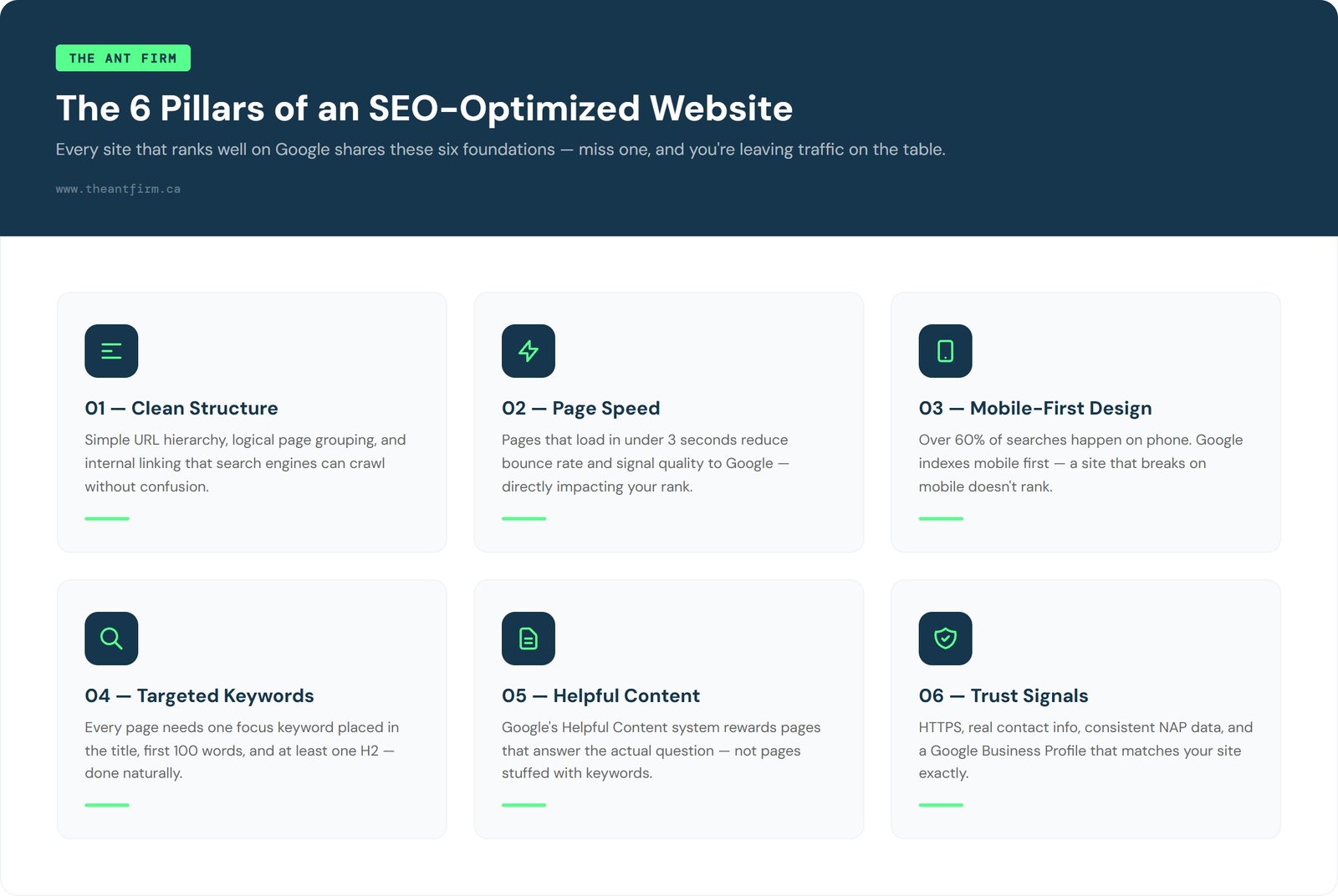
An SEO-optimized website is a site built so Google can easily read it and show it to people searching for what you offer. It loads fast, works well on phones, uses the words your customers actually search for, and has a clear page structure that search engines can follow.
So when someone says a site is “SEO-optimized,” they mean it was set up to be found, not just to look good. A plumber’s site with a separate page for each service, a clear title on every page, and fast loading on mobile is SEO-optimized. A single good-looking page with little text for Google to read is not. You may also see it written as SEO optimized website without the hyphen, or SEO optimised website in British spelling. All three mean the same thing.
15 Ways to Build an SEO-Optimized Website From Day One
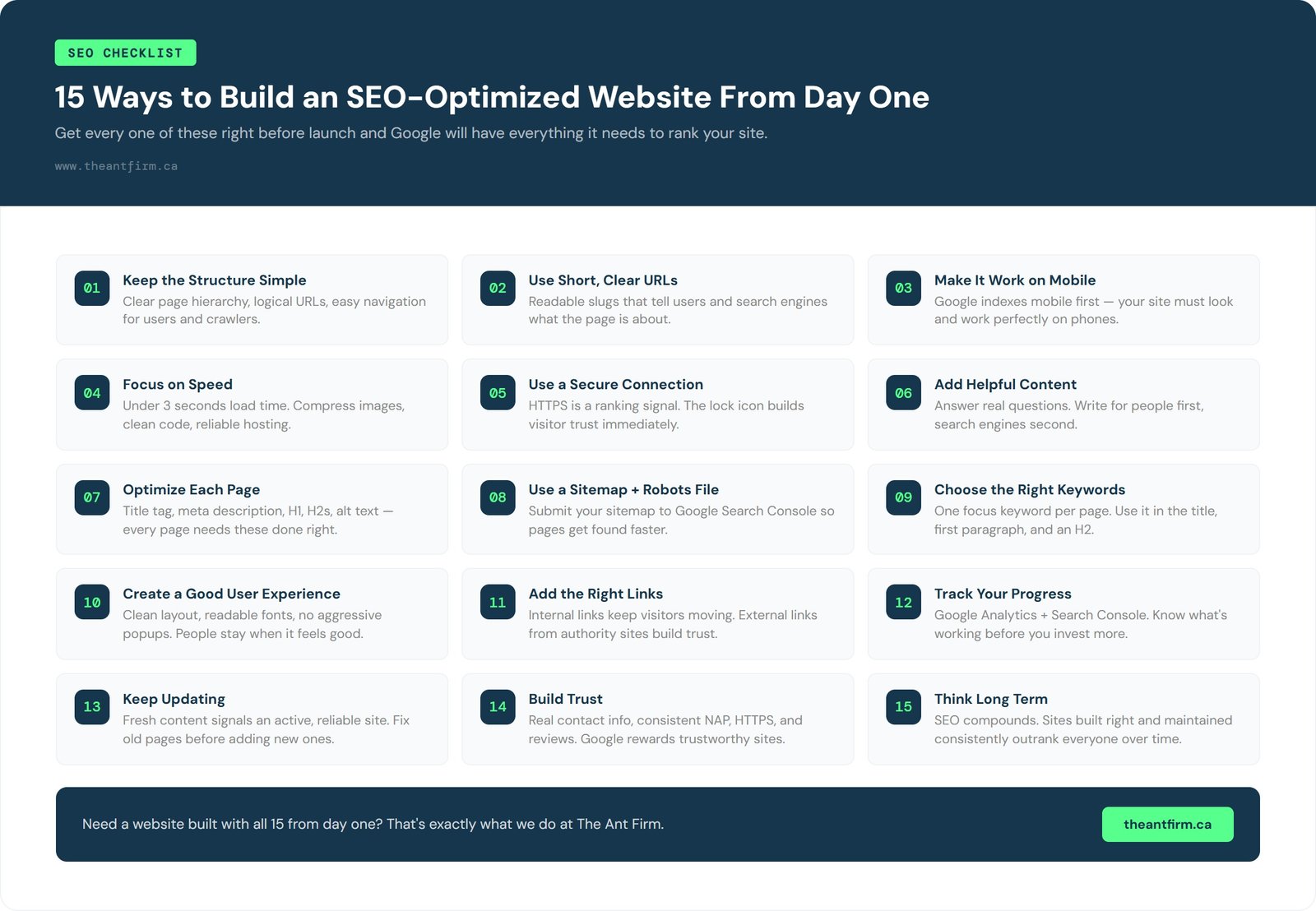
1. Keep the Structure Simple
A clear structure helps people move around your site with ease. It also helps search engines understand how your pages connect.
Before you build, make a small plan of your pages. Each page should serve a clear purpose. For example, if you have a bakery, you can create pages for Home, Menu, Cakes, Cookies, and Contact. This kind of structure is easy to follow.
Simple layouts make people stay longer and reduce confusion.
2. Use Short and Clear URLs
A good URL tells what the page is about. It should be easy to read and remember.
Use something like www.example.com/fresh-flowers instead of www.example.com/page?id=232. The first one looks clean and helps people trust your site. The second one feels random and confusing.
Good URLs improve both trust and visibility.
3. Make It Work on Mobile
Most people visit websites on their phones. If your site looks bad on mobile, they leave quickly.
Use a design that fits all screens. The text should be easy to read, buttons should be easy to tap, and images should load properly.
When your website works smoothly on mobile, visitors stay longer and are more likely to return.
4. Focus on Speed
A slow website can ruin a visitor’s first impression. People expect pages to load in a few seconds. If it takes longer, they move away.
You can make your site faster by using smaller images, removing unnecessary files, and choosing a reliable host. Test your speed using online tools and fix anything that slows you down.
Fast websites make people happy and perform better in search results. If you are building from scratch, see what else goes into an SEO ready website before you launch.
5. Use a Secure Connection
A secure website builds trust. When people see a small lock sign beside your address, they know their information is safe.
You can make your site secure by using HTTPS. Most hosting companies give this for free. Security not only protects your visitors but also helps your ranking.
A safe website shows that you care about your visitors.
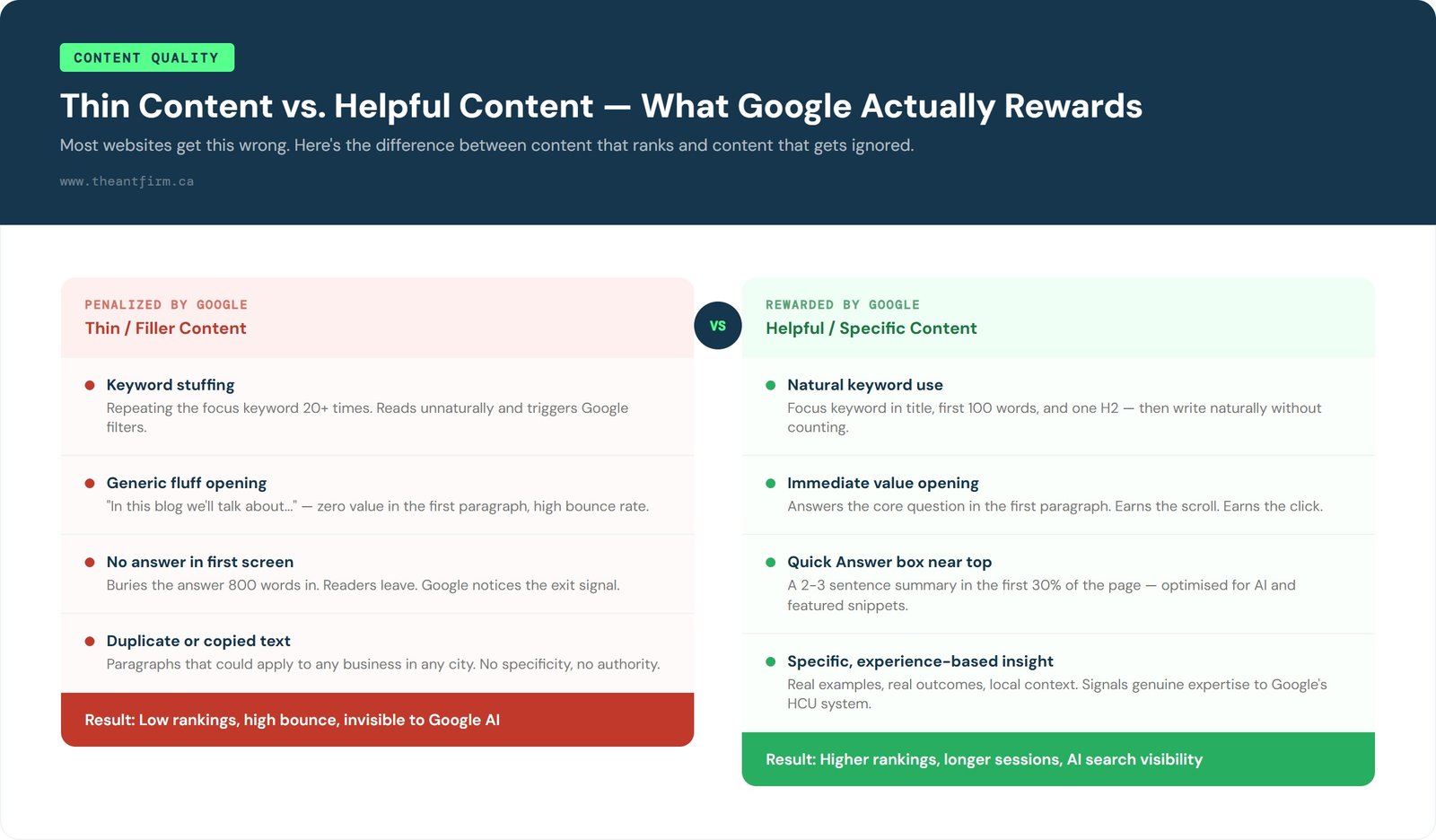
6. Add Helpful Content
Good content is the heart of your website. It helps people understand what you offer and makes search engines see your value.
Write in a natural tone. Use simple words and short sentences. Avoid repeating the same point too many times. Add useful information that answers real questions.
If you sell something, explain how it helps. If you offer a service, share what makes it special. Honest and useful writing always attracts people.
7. Optimize Each Page
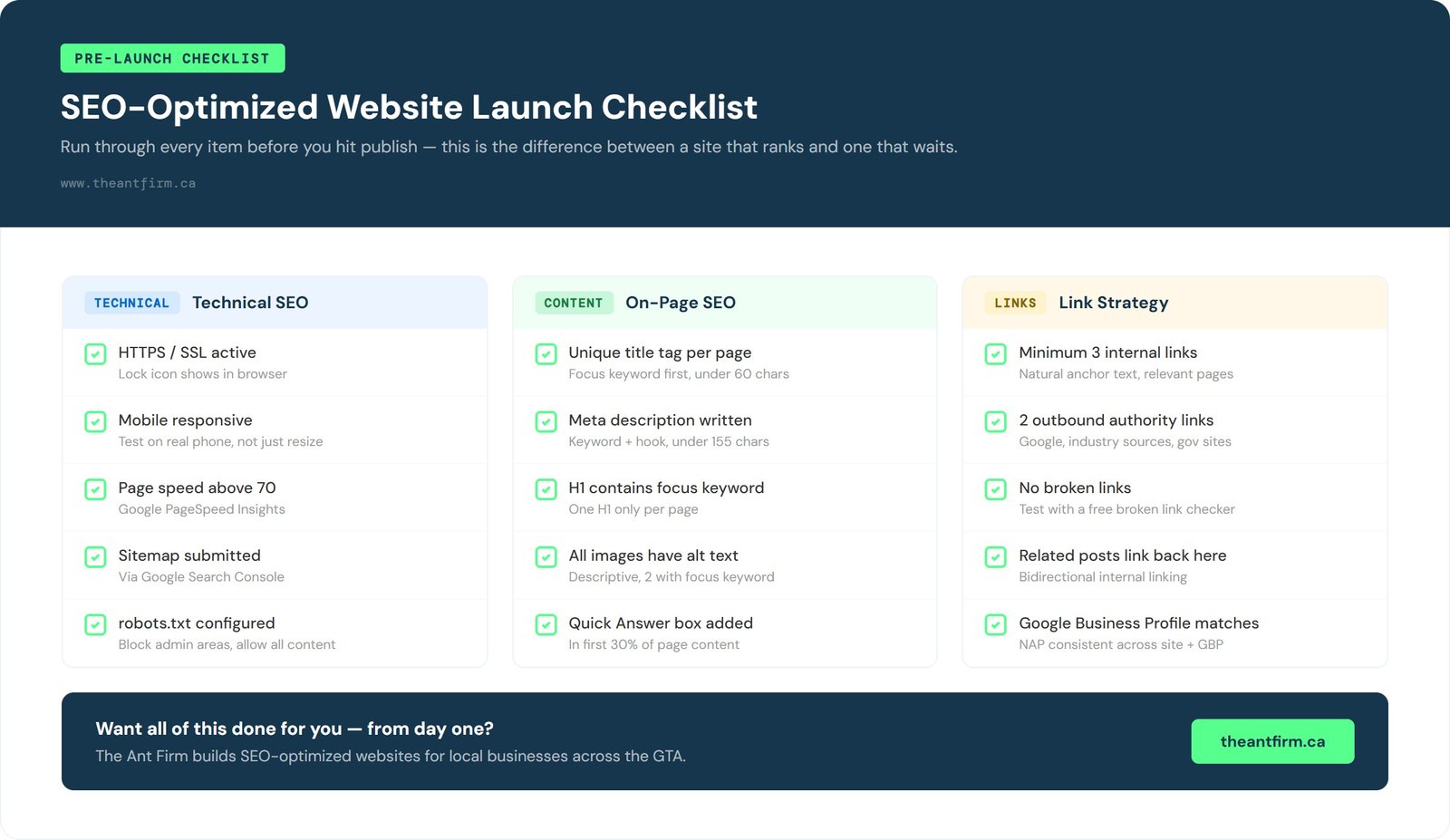
Each page should have a few key elements that help search engines read it easily.
Title Tag
Every page needs a clear and unique title. It shows up in search results and tells people what to expect.
Meta Description
This short line appears below your title in search results. Keep it short and direct.
Headings
Use headings to break your writing into parts. The main title uses H1, and smaller parts use H2 or H3. It helps both readers and search engines follow your ideas.
Images
Add clear pictures with proper file names. Use alt text to describe them. Keep them small so your page loads fast.
Internal Links
Connect one page to another. This keeps visitors on your site longer and is a core part of any solid website content strategy.
8. Use a Sitemap and Robots File
These files guide search engines when they visit your website.
A sitemap lists your main pages so search engines can find them faster. Most website platforms create it automatically.
A robots.txt file tells search engines which pages they should not read. This is useful for pages you want to keep private.
Submit your sitemap through Google Search Console so your site can be found faster.
9. Choose the Right Keywords
Keywords help search engines understand what your page talks about. Good keywords bring the right people to your site.
Before writing, find out what people search for using free tools like Google Keyword Planner. Pick words that match your topic and sound natural in sentences.
Use your main keyword in the title, first paragraph, and headings. Avoid using it too often. For local businesses in particular, targeting neighbourhood-level terms makes a big difference. See our guide on local SEO for small business to understand how.
10. Create a Good Experience for Visitors
Your website should be pleasant to use. When visitors enjoy the experience, they stay longer.
Keep the layout clean. Avoid too many pop ups or moving images. Use readable fonts and enough space between lines.
When people can find things easily, they trust your site more and come back again.
11. Add the Right Links
Links help your website grow. They connect your pages and show search engines that your content is valuable.
Internal Links
These connect your own pages. For example, a blog post can link to your contact page or product page.
External Links
These point to other websites that support your information. Use only trusted sources.
Backlinks
These are links from other websites that point to yours. You can earn them by creating useful content that others want to share.
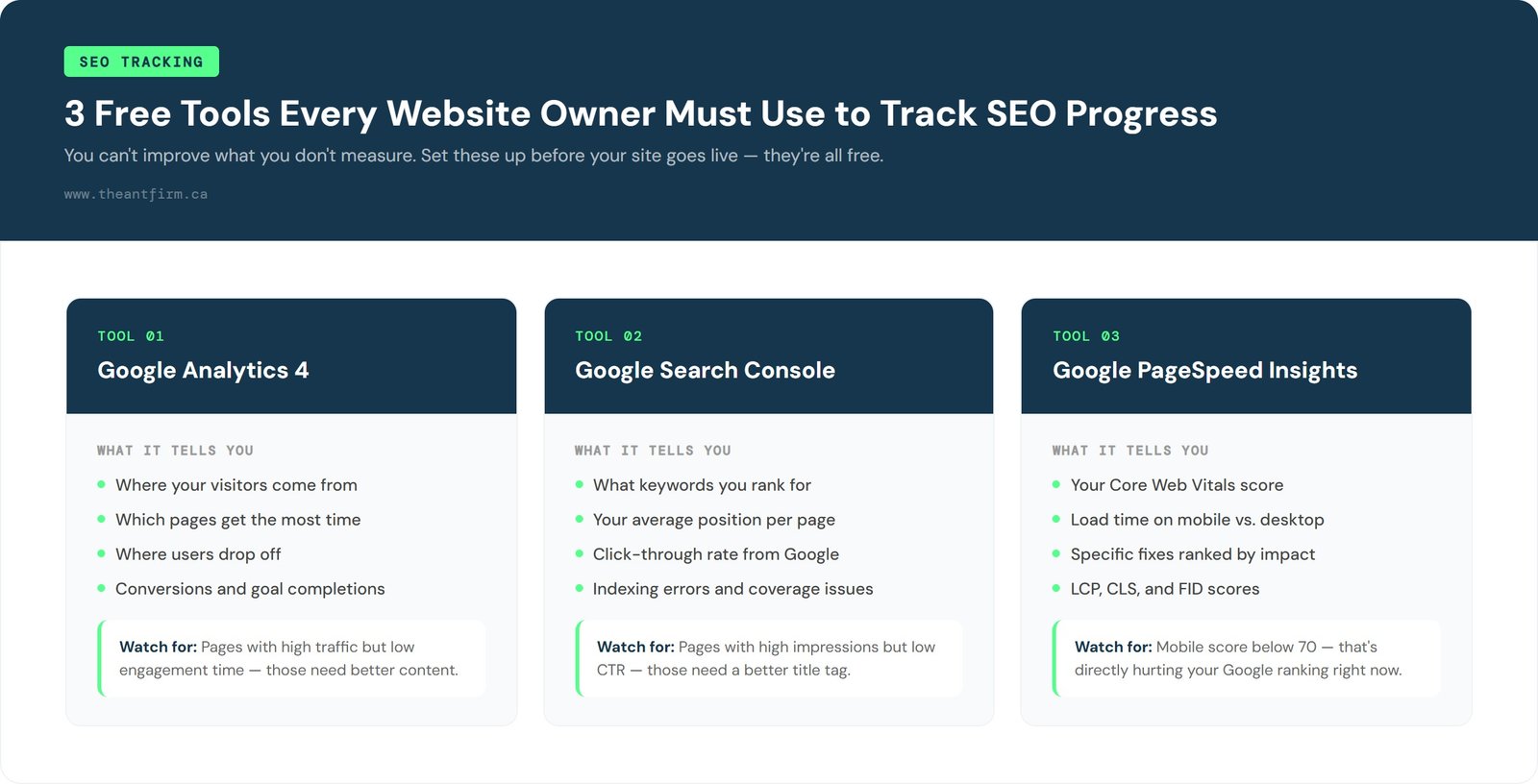
12. Track Your Progress
Once your website is live, you should track how it performs. Tools like Google Analytics and Google Search Console can help.
Analytics shows where your visitors come from and what pages they read. Search Console shows which words people search to find your site.
Checking this data helps you improve. You can see what works and what needs to change.
13. Keep Updating
SEO is not something you do once. It is an ongoing process.
Keep adding new content. Review old pages. Fix broken links. Improve your loading time and refresh outdated details.
Websites that stay active perform better. Regular updates show that your site is alive and reliable.
14. Build Trust
People visit websites they trust. Keep your site clean and honest. Avoid tricks or false claims.
Use real contact information and write in your own voice. Be clear about who you are and what you offer.
When visitors feel safe, they explore more pages and may even share your site with others. Trust keeps people coming back.
15. Think Long Term
A good website takes time to grow. SEO is not a quick fix. It is more like planting a tree. With the right care, it grows stronger every year.
Focus on creating value. Keep your structure clean, your content clear, and your pages fast. These small steps will help your website grow steadily.
Search engines will notice your effort and reward it over time. Visitors will see your site as a reliable source and return often.
Start Building Your SEO-Optimized Website Right
An SEO-optimized website does not need to be complex. It just needs to be built with care. A clear layout, simple writing, and steady updates make all the difference.
When you build with SEO in mind from the start, your site becomes easier to find and easier to trust. It grows naturally, brings real visitors, and helps your work reach the right people.
Your website is not just a collection of pages. It is a place where your ideas, services, and voice can live. And when you build it the right way from the start, it has every chance to succeed.
Want an SEO-Optimized Website Built for You?
If you want a website that loads fast, ranks locally, and actually brings you customers, without paying for endless “monthly SEO retainers,” we built something for local businesses like yours.
It’s called the Local-First SEO Website.
- A clean, conversion-ready website
- SEO-optimized website structure from day one
- Local keywords + metadata done for you
- Fast loading + mobile-friendly design
- 90 days of content + optimization included
- Just a website that’s built to perform, not sit still.