
TLDR; An SEO-ready website gives search engines everything they need to find, read, and rank your pages. No clean foundation = no results, no matter how much SEO you do after. This post breaks down exactly what that foundation looks like.
Most GTA business owners have a website. Very few have an SEO-ready one.
There’s a difference. A regular website exists. An SEO-ready website gets found. It’s built so search engines can crawl every page, understand what you do, and match you with people actively looking for your service.
If your site isn’t showing up on Google, the problem usually isn’t your content or your budget. It’s the foundation. This post breaks down what an SEO-ready website actually includes, and what’s likely missing from yours.
What Is an SEO-Ready Website?
An SEO ready website means the site is built with the structure and signals that help search engines read the pages without trouble. It means every part of the site is easy to crawl and index.
This also means the code is clean and the layout is simple enough for fast scanning. When the base is solid you can start real SEO work without rebuilding the whole site.
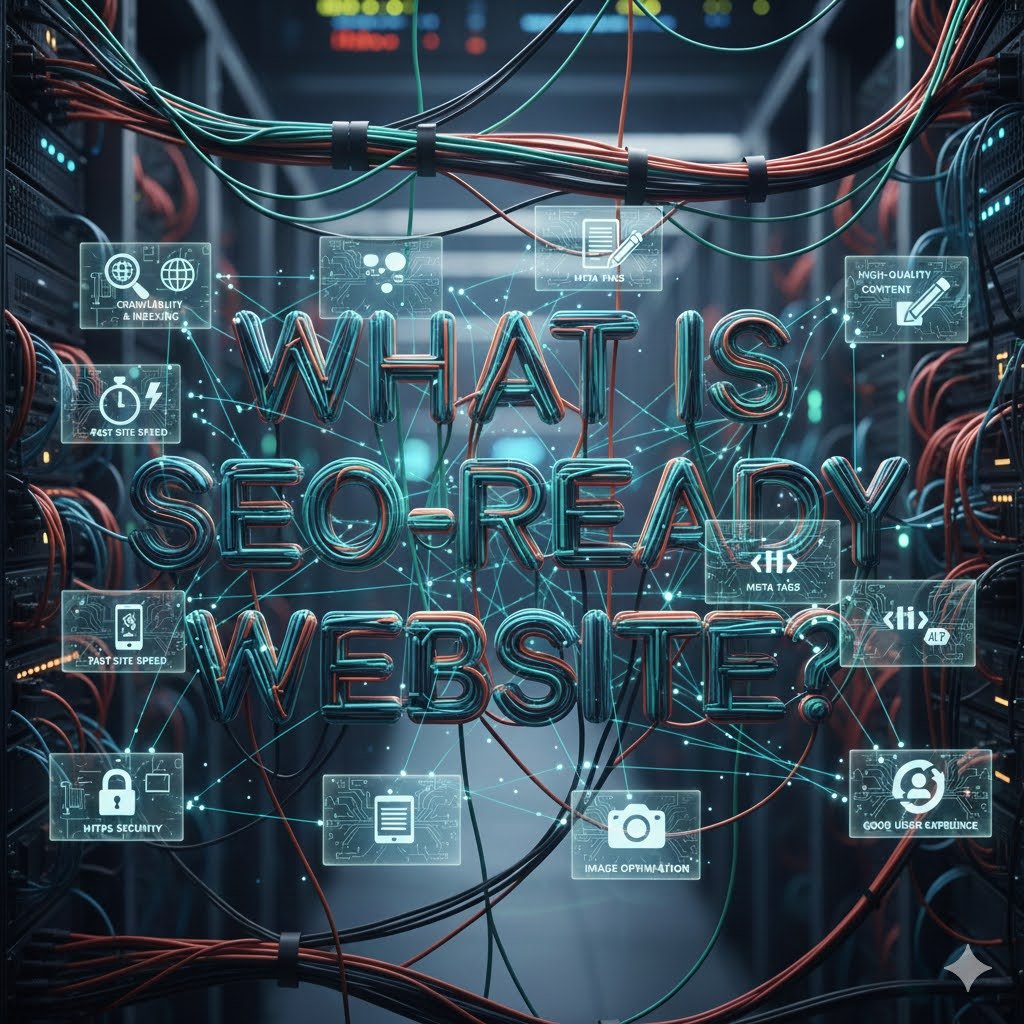
SEO is the process of helping search engines understand your pages. When search engines know what each page offers they can match it with what people search for.
SEO also helps people stay longer, read more and trust your service. A clean layout, fast speed and good content all play a part.
What Is Included in an SEO Ready Website?
A website that is SEO ready has some features that you should check.
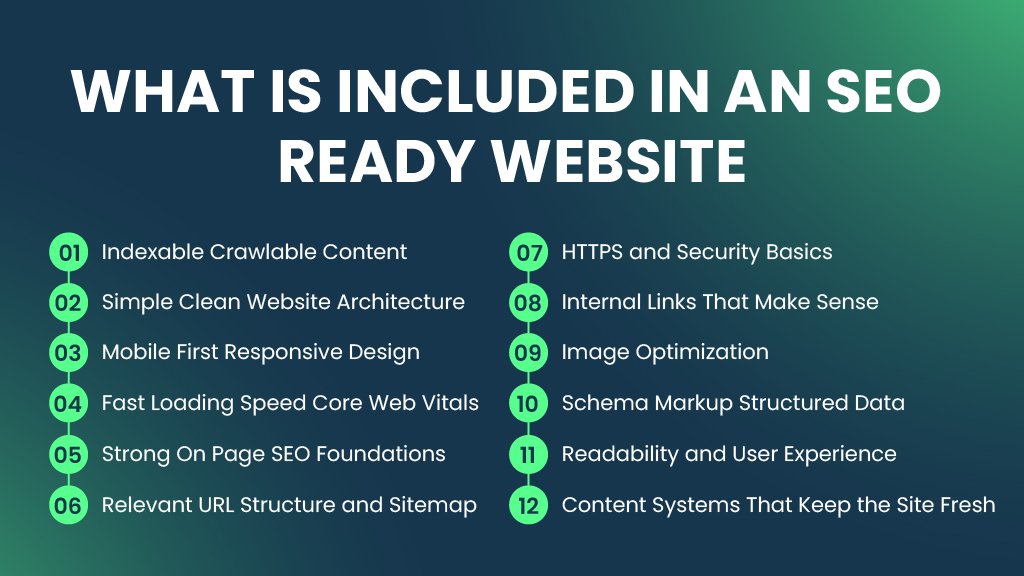
So, have a look at them here:
Indexable Crawlable Content
A search engine moves through your site like a visitor walking through a store. If a page is blocked or hidden the search engine cannot index it. This stops the page from showing up in search. An SEO-ready site has open access, clear code and a consistent structure so every page can be crawled.
Simple Clean Website Architecture
Simple structure helps search engines and people too. A basic layout with Home Services About FAQs and Contact feels familiar. Each service gets its own page. This layout guides visitors to what they need without forcing them to search through clutter. Search engines know exactly where each topic lives.
Mobile First Responsive Design
Most people pull out their phone when they need help. Your site must adjust to screens of all sizes. A mobile first layout means text is clear buttons are easy to tap and pages feel smooth. A site that works well on a phone gives visitors confidence.
Fast Loading Speed Core Web Vitals
Speed affects everything. If the site loads slow people leave. Search engines notice when people leave fast. Fast hosting compressed images, clean code and simple design all help with speed. Good speed keeps visitors engaged which sends stronger signals back to search engines.
Strong On Page SEO Foundations
Titles
Each page needs a clear unique title. This tells search engines what the page covers.
Meta descriptions
These lines help visitors understand the page before clicking.
Alt tags
Short text for each image helps search engines read images.
Header structure
One H1 per page then simple headings for sections makes the page easy to scan.
Relevant URL Structure and Sitemap
A simple URL helps search engines and visitors. A page about plumbing should have a plumbing style URL. An XML sitemap gives search engines a clear map of the site. This helps new pages get indexed faster.
HTTPS and Security Basics
A secure site builds trust. It also protects any form submission. Search engines expect sites to use HTTPS. It is a basic requirement for visibility.
Internal Links That Make Sense
Internal links help visitors find more info. They also help search engines move through the site. Linking related pages spreads strength from one page to another. This builds a healthier site structure.
Image Optimization
Images must be compressed so they load fast. Alt tags help search engines understand the content of the image. Clean images help with speed and clarity.
Schema Markup Structured Data
Schema labels your content. It can show your hours, reviews , service types and more in search results. This helps search engines understand the page with no guesswork.
Readability and User Experience
Visitors do not want long blocks of text or confusing layouts. Simple text, short paragraphs and clear headings help people stay on the page. Good experience supports better ranking.
Content Systems That Keep the Site Fresh
Search engines look for signs of activity. A site that sits untouched for long stretches starts to slip over time. Fresh signals help the site stay visible.
You can add small updates like new images, short notes on recent jobs or new FAQs. These small touches show search engines that the business is active and serving real people. A site that grows slowly and naturally becomes stronger.
How Local Trust Signals Strengthen an SEO Ready Site
Local businesses rely on trust. People want to know you really serve their area. A consistent address phone number and list of service areas helps with this.
Search engines check these details. Photos from work sites and short client comments build trust. These small pieces help the site show up for near me searches and local service terms.
How Search Engines Read a Page Line by Line
Most owners think search engines see the page as humans do. That is not the case. A search engine only sees code and text. It starts with the title then the H1 then moves down the page. It reads each heading and paragraph. It checks the alt text of images and looks at internal links.
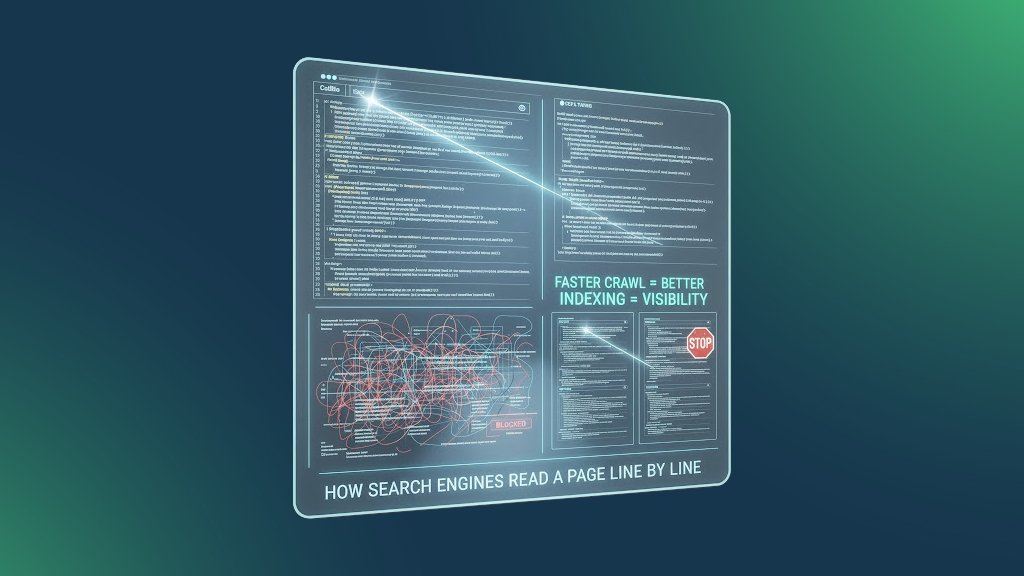
If the code is messy it slows down. If parts are blocked the search engine stops.
When the page is simple the crawl moves fast. This leads to better indexing. The faster a search engine can understand your page the sooner it can show it for real searches.
How Human Behavior Effects Search Results
Search engines pay attention to how people use your site. Longer reading time sends a strong signal. When visitors move through several pages search engines gain trust in your site. If people leave fast the site may drop.
This is why clarity matters so much.
Clear headings, easy buttons, quick loading and simple layout keep visitors engaged. When people move smoothly through the site search engines reward you with better visibility.
SEO Ready vs SEO Optimized. What Is the Difference?
An SEO-ready site is the base. It covers structure layout speed and clarity.
An SEO-optimized site adds ongoing work such as link building new content and local SEO.
If you read our guide on an SEO optimized website from day one you will see how both stages help each other. An SEO-ready base is also stronger than old brochure websites which show basic info with no structure.
Why Being SEO Ready Is Essential for Your Business
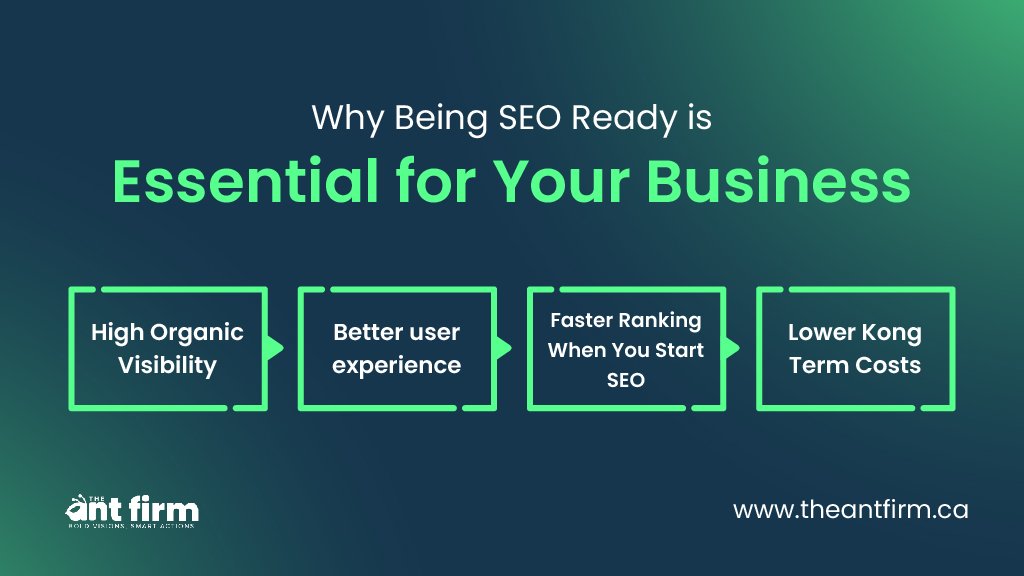
Let’s see the reasons for why an SEO ready website is a must for your business.
Higher Organic Visibility
Search engines show clean, fast pages. When your structure is strong the site appears for more searches.
Better User Experience
Clear layout and simple text help people stay longer. This leads to trust.
Faster Ranking When You Start SEO
A clean base means less fixing and faster results.
Lower Long Term Costs
Fixing a messy site costs more than building it right the first time.
How to Check If Your Website Is SEO Friendly
- Speed: Test your site and look for slow loading.
Mobile: Open the site on a phone and make sure all pages adjust.
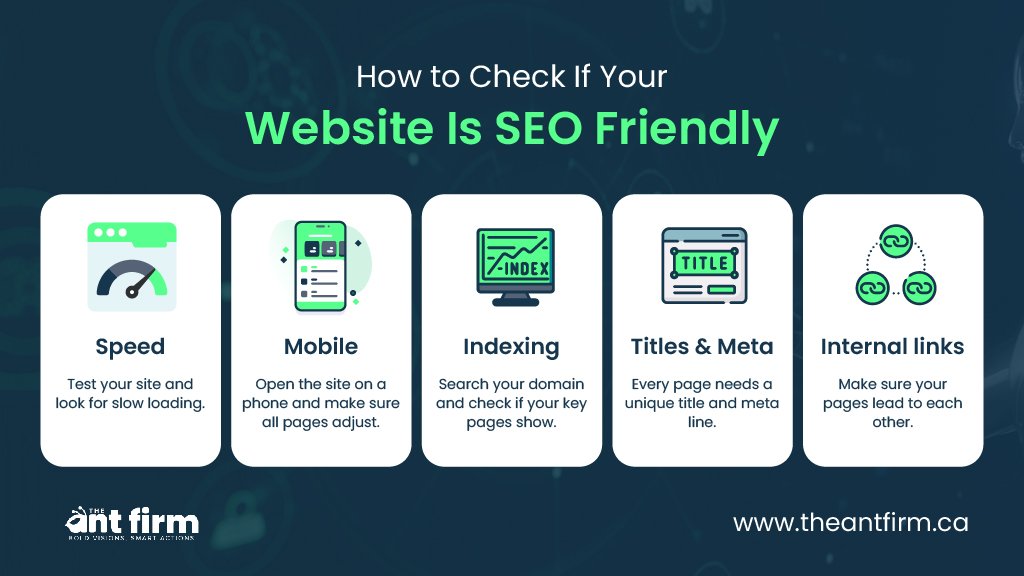
- Indexing: Search your domain and check if your key pages show.
- Titles and meta: Every page needs a unique title and meta line.
- Internal links: Make sure your pages lead to each other.
When You Need More Than an SEO Ready Website
Once the base is ready you may need full SEO support. This can include content plans, link building, local SEO and technical updates.
You can explore our guides on the local first website approach and why websites don’t rank without SEO to learn what comes next. Reach to The Ant Firm, LTD to get the best support.
End Note
In the end, a good base for your website helps your site appear for real searches. An SEO-ready website gives you that base.
It helps search engines understand your pages and helps people trust your service. When the structure is right you can grow steady traffic and build long term visibility.
If you want the perfect locally optimized website for your business, contact The Ant Firm, LTD to get the best SEO optimized website.

Related Read: